A bottle of lavender essential oil left in a humid bathroom for six months loses some of its active compounds. This kind of detail is often discovered after investing in a complete natural skincare routine.
Natural well-being, in 2026, is no longer just about choosing an organic-labeled product off a shelf: it involves understanding what we apply to our skin, what we ingest, and what regulations actually allow as claims.
Current trends push for more transparency regarding ingredients, increased attention to the link between diet and mental health, and a tightening legal framework around the terms “natural” and “clean.” Let’s take stock of what is changing concretely.
“Natural” and “clean” claims: what regulations change for skincare
When purchasing a face care product labeled “100% natural,” we expect a product without synthetic components. The reality is more blurred. In France, the DGCCRF conducted several targeted control campaigns in 2024-2025 focusing on the claims “natural,” “clean,” and “free from” in cosmetics and dietary supplements.
The finding: these claims can constitute misleading commercial practices if they are not based on a rigorous and verifiable definition. The 2024 control report highlights an increase in warnings and injunctions in the wellness sector.
At the European level, the “Green Claims” directive reinforces this requirement. You can also find information on Naturel Web that allows you to track these regulatory developments applied to beauty products and supplements.
For us, consumers, the practical consequence is simple: a recognized label (Cosmos, Natrue) remains more reliable than a marketing claim. A product that states “natural” without third-party certification offers no verifiable guarantee regarding its actual composition.
Microbiome and nutrition: the direct link to mental well-being
There has been a lot of talk about mental health in recent years, often from the perspective of meditation or digital detox. The nutritional angle is less publicized, but it is the one that is evolving the most in 2026.
The gut microbiome plays a central role in regulating stress and mood. An unbalanced diet, too rich in ultra-processed foods, depletes bacterial diversity and can worsen anxious states. Current trends in wellness nutrition focus on three concrete axes:
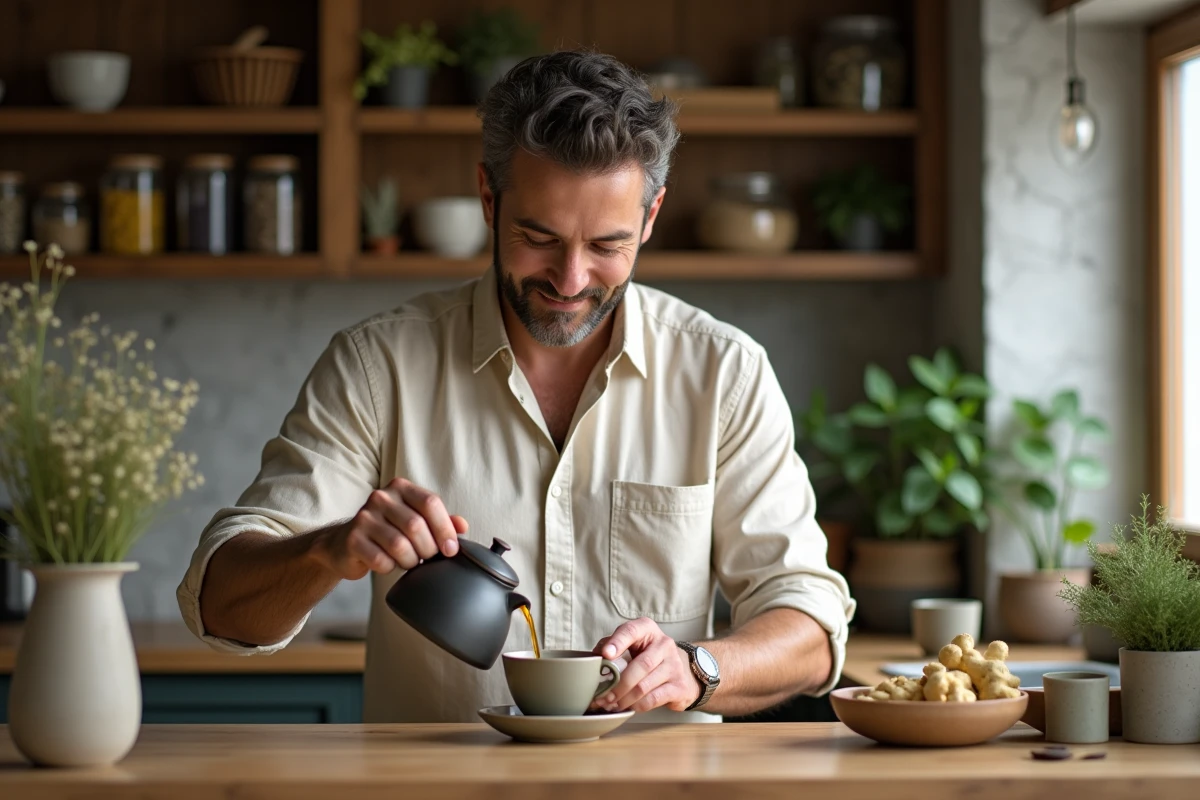
- Prioritizing fermented foods (kefir, miso, raw sauerkraut) to nourish beneficial bacterial strains, rather than systematically turning to probiotic supplements in capsules
- Adapting everyday recipes by incorporating prebiotic fibers (leeks, garlic, onions, under-ripe bananas) that serve as a substrate for the microbiome
- Reducing windows of processed food intake, not through strict fasting, but by gradually replacing industrial snacks with simple alternatives (nuts, dried fruits)
Diet affects mental health as much as it does the body, and this nutritional approach to well-being is gaining ground against purely cosmetic or relaxing approaches.
Essential oils and plant actives: beyond ambiance diffusion
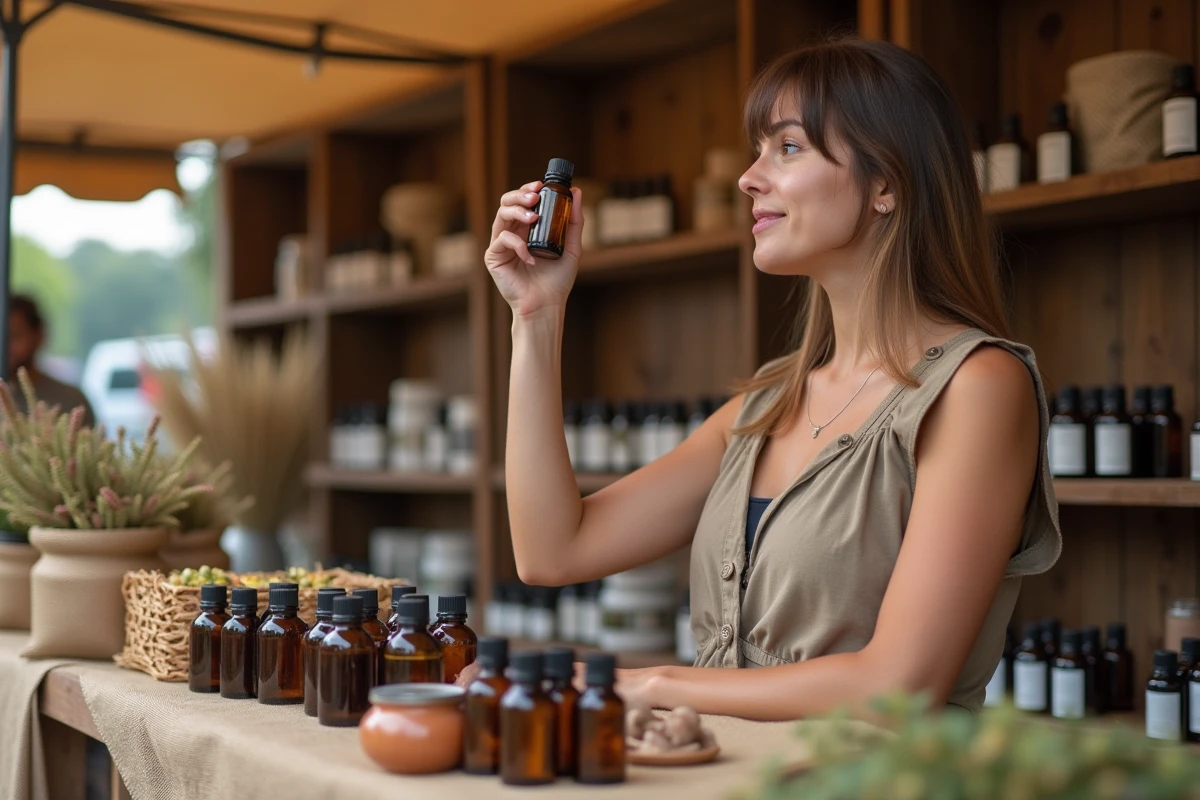
Essential oils remain a pillar of natural well-being, but their use is evolving. We go beyond simply diffusing lavender in the evening to focus on more targeted applications: skincare, stress management through olfactory pathways, or integration into massage routines.
The point of caution in 2026 is the quality of the oils. Feedback on this point varies according to suppliers: a tea tree essential oil purchased in a supermarket does not have the same concentration of active principles as an oil from controlled distillation. The mention of the chemotype on the label remains the best indicator of reliability.
Which plant actives are formulators keeping an eye on
In terms of skincare, the benefits of concentrated plant actives (bakuchiol as an alternative to retinol, centella asiatica for skin repair) continue to progress in formulations. Bakuchiol is appealing because it offers results similar to retinol without the potential for irritation, making it compatible with sensitive skin.
Brands that focus on transparency now publish the complete list of ingredients with their percentages, not just the key actives. This demand for clarity aligns with the regulatory pressure mentioned earlier.
Digital detox and sleep: a trend that is taking shape
The digital detox was already among the wellness trends last year. What is changing is that it is now directly linked to sleep rituals. Reducing screen exposure in the evening is nothing new, but more precise protocols are emerging.
- Turning off notifications two hours before bedtime, not just placing the phone on the nightstand in silent mode
- Replacing scrolling with a sensory routine (guided breathing, applying a vegetable oil to the wrists, reading paper books)
- Associating the bedroom exclusively with sleep and relaxation by physically removing connected devices from the room
Sleep is becoming a central marker of well-being, on par with diet or physical activity. Retreats dedicated to sleep, still rare a few years ago, are multiplying in wellness tourism offerings.
What this implies in daily life
We are not talking about cutting off the internet permanently. The effective approach relies on micro-adjustments: choosing a physical alarm clock instead of the phone alarm, installing a warm light lamp in the bedroom, and keeping a sleep diary for a few weeks to identify personal insomnia triggers.
Natural well-being in 2026 is built around verifiable actions, transparent compositions, and a better understanding of the link between what we eat, what we apply to our bodies, and the quality of our sleep. Consumer opinions are increasingly influencing brands, and regulations are following suit. The next reflex to adopt: flip the bottle and read the complete list before adding it to the cart.