
The evolution of the real estate market is often characterized by varied dynamics between urban and rural areas. In cities, the focus on functional living spaces, equipped with modern technologies and located near amenities, attracts a population seeking a dynamic and connected lifestyle. In contrast, rural areas are experiencing a resurgence of interest for their more generous spaces and peaceful environment, resonating with a growing desire for escape and connection to nature. These trends are influenced by demographic, economic, and sociocultural factors that shape the expectations and behaviors of buyers and investors.
Evolution of real estate prices: contrasts between urbanity and rurality
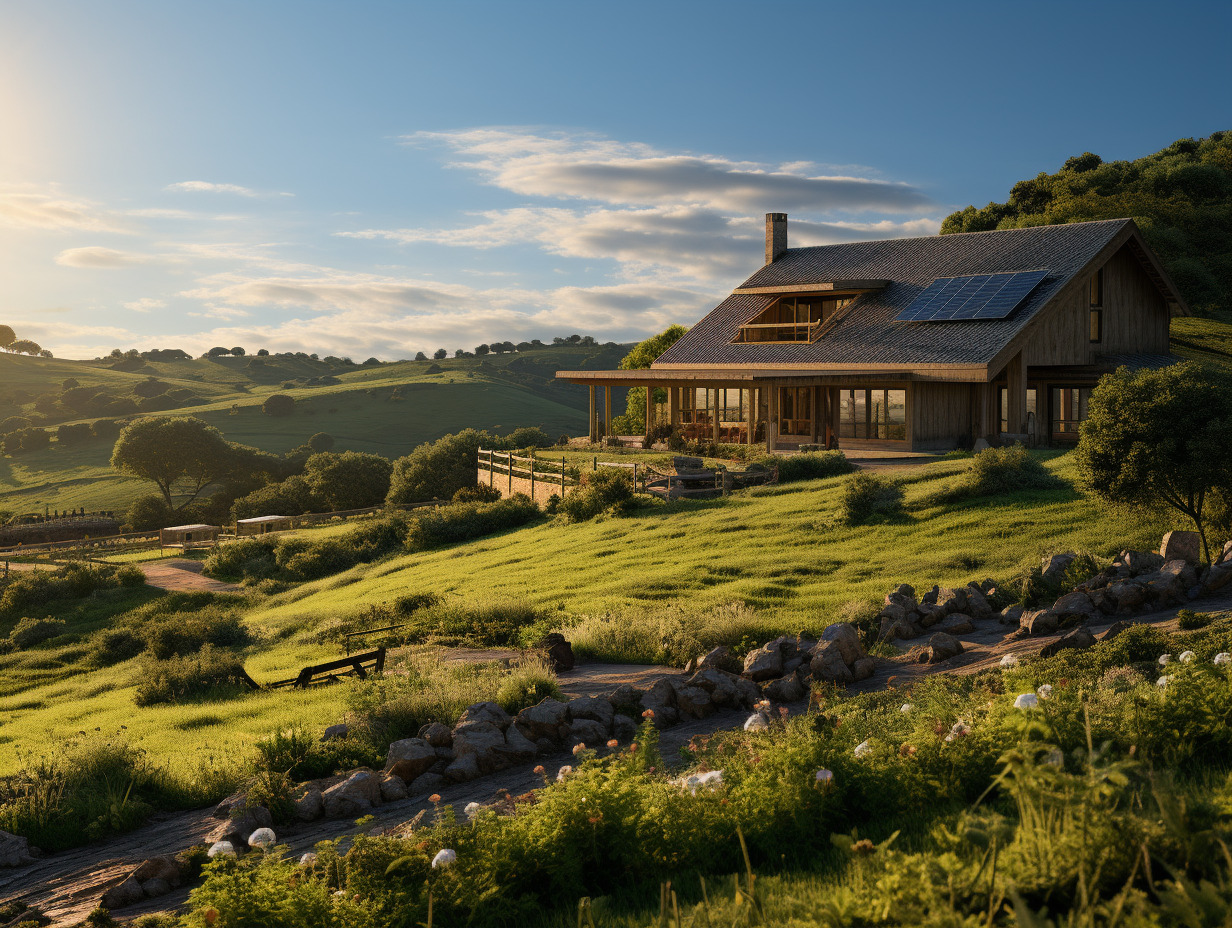
The health crisis has undeniably changed the landscape of the real estate market. Indeed, the phenomenon of rising real estate prices in rural areas has intensified, with a notable increase of 7.4% in 20This trend, far from being anecdotal, reflects a rebalancing of values between rural and urban areas. The rural area, long considered a niche market, is now asserting itself as a genuine segment in full expansion, driven by a growing need for space and quality of life.
The rise of telecommuting, made possible and sometimes necessary by health circumstances, has favored a redefinition of choice criteria for many professionals. Geographic proximity to the workplace is losing its appeal in favor of a more serene environment and a better quality of life that rural areas offer. EuroZine suggests that this migration to less dense areas could be long-lasting, thus altering the dynamics of demand and supply in the rural real estate market.
However, the big city does not concede defeat; it remains the stage for a dynamic and competitive real estate market. Prices there are also experiencing a rise, but this faces limitations: household debt capacity and market saturation. The big city must reinvent itself to continue attracting populations, particularly by responding to new expectations regarding green spaces and configurations suitable for telecommuting.
This trend in the real estate market raises strategic questions for both buyers and sellers. The valuation of properties in rural areas could lead to a revision of price expectations, while the real estate pressure in urban areas encourages the search for innovative solutions to contain the surge in prices. Investors, for their part, are closely monitoring these developments to adjust their strategies and uncover opportunities wherever they arise, whether in the greenery of a peaceful hamlet or in the tumult of a rapidly changing metropolis.
The dynamics of the real estate market: challenges and perspectives for buyers and sellers
In the face of a real estate market in constant flux, understanding current challenges is essential for industry players. Historically low interest rates have long been an asset for buyers. The recent surge in housing prices seems to erode this advantage, making homeownership more difficult for first-time buyers.
Energy renovation is becoming a must, driven by the government recovery plan. Incentives for energy improvement work are transforming buyer requirements and profoundly changing property valuation criteria. Now, energy performance and the ecological footprint of homes are becoming key determinants of real estate attractiveness.
Interest in SCPI (Sociétés Civiles de Placement Immobilier) remains strong. These investment vehicles offer investors the opportunity to position themselves in the real estate market with a reduced capital outlay and delegated management. These products particularly attract those looking to diversify their investments while potentially benefiting from an additional source of income.
New forms of housing such as coliving reflect the evolution of lifestyles and expectations regarding housing, especially among young urbanites. This trend, which relies on the sharing of living spaces and services, is experiencing notable growth, influencing the rental market and offering investors an opportunity to position themselves in an innovative and promising segment.