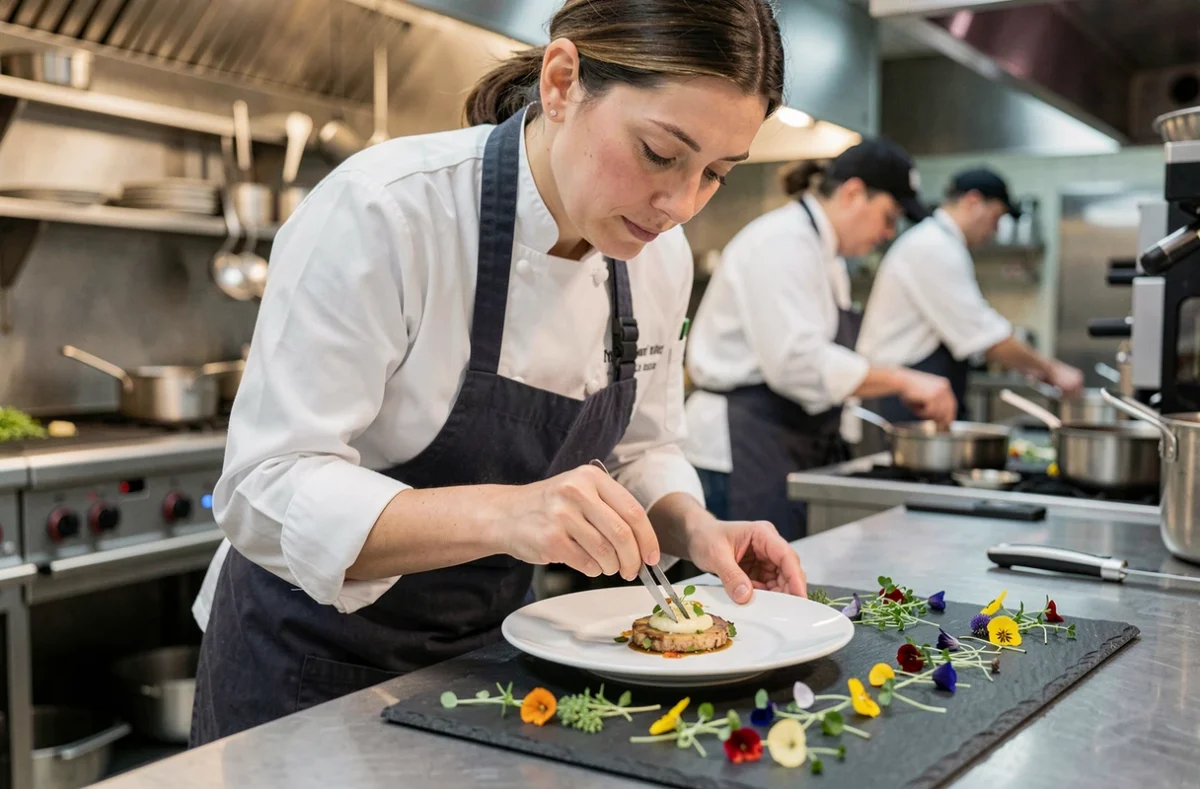
A chef replacing his slow-cooked dishes with cold bowls during the lunchtime rush, a bakery adding collagen to its brioche—the culinary week that just ended has challenged plenty of assumptions. Here’s a look at what’s changing in practice, both on the plate and behind the counter.
Snacking and eating out: traditional restaurants are losing ground
Restaurants are no longer the only places feeding people away from home. Takeout, food shops, supermarket counters and vending machines selling fresh meals—the options keep multiplying.
What stands out is the shift in mealtimes. Lunch between noon and 2 p.m. is becoming less rigid. People eat at 11:30 a.m., grab a snack at 3 p.m. or order a hot meal at 5 p.m. Restaurants adapting to this trend now offer smaller formats—bites and snack-sized portions—throughout the day, rather than a single service built around a starter, main course and dessert.
For food-service professionals, the shift is tangible: menus need to work for takeaway without compromising on flavor. Among Cuisine Gratuite’s latest news, you’ll regularly find insights into these changes in everyday eating habits.
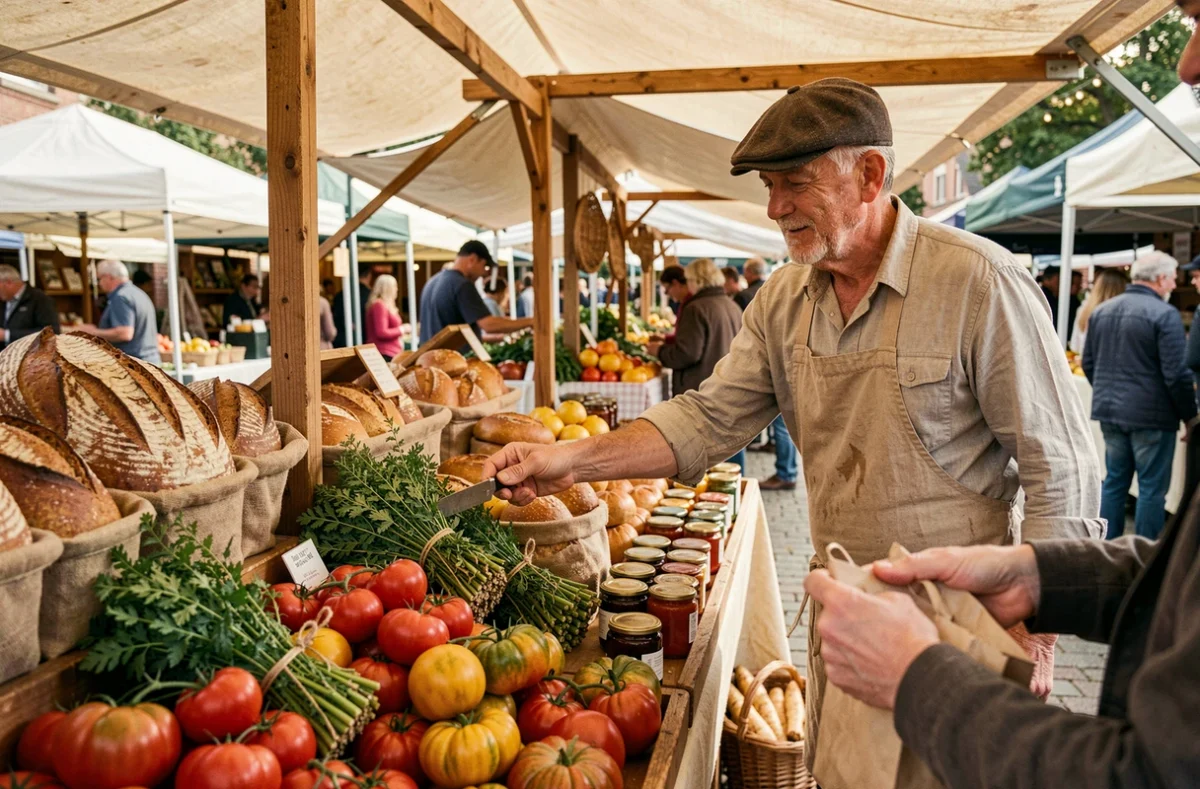
Korean cuisine in France: beyond kimchi and bibimbap
K-food is no longer limited to the signature dishes Parisians have known for a decade. This week’s developments point to an acceleration: Korean chefs are opening counters that combine traditional fermentation with local French ingredients, without trying to recreate a menu from Seoul.
Korean cuisine’s strength lies in its ability to bring tradition and boldness together. Industry professionals put it plainly: while French gastronomy can sometimes hesitate to break with convention, Korean cuisine readily incorporates new techniques into centuries-old recipes.
In practice, combinations that would have seemed unlikely two years ago are starting to appear:
- Gochujang sauces reworked with French chilies grown in Provence or the Basque Country, creating a hybrid flavor profile
- Seasonal vegetables such as squash and Jerusalem artichokes fermented using Korean methods and sold in Parisian specialty food shops
- Tasting menus pairing a fermented Korean ingredient with a French regional product in every dish, from goat’s cheese to black pudding
This trend goes beyond a passing fad. It is part of a cultural strategy led by South Korea, which is investing heavily in promoting its cuisine internationally.
Fortified foods: fiber, protein and collagen everywhere
Collagen-enriched jams, protein snacks, drinks with prebiotic fiber: health claims are finding their way into everyday products that have never before claimed any particular nutritional benefit. New products spotted at SIAL confirm that this trend is gathering momentum.
The formula is simple. A manufacturer takes a familiar product—a fruit purée, cookie or lemonade—adds a functional ingredient and repositions it with “wellness” packaging. The price goes up, and so does the promise.
What deserves attention—and what’s just marketing
Not all these additions are created equal. Adding fiber to jam doesn’t make up for excessive sugar. Likewise, the effects of orally ingested collagen vary depending on its form (hydrolyzed or not), the dosage and the rest of the diet.
This week’s key takeaway: when a product makes three health claims on its packaging, checking the ingredient list is still the most reliable habit. Commercial trends and proven benefits don’t always go hand in hand.
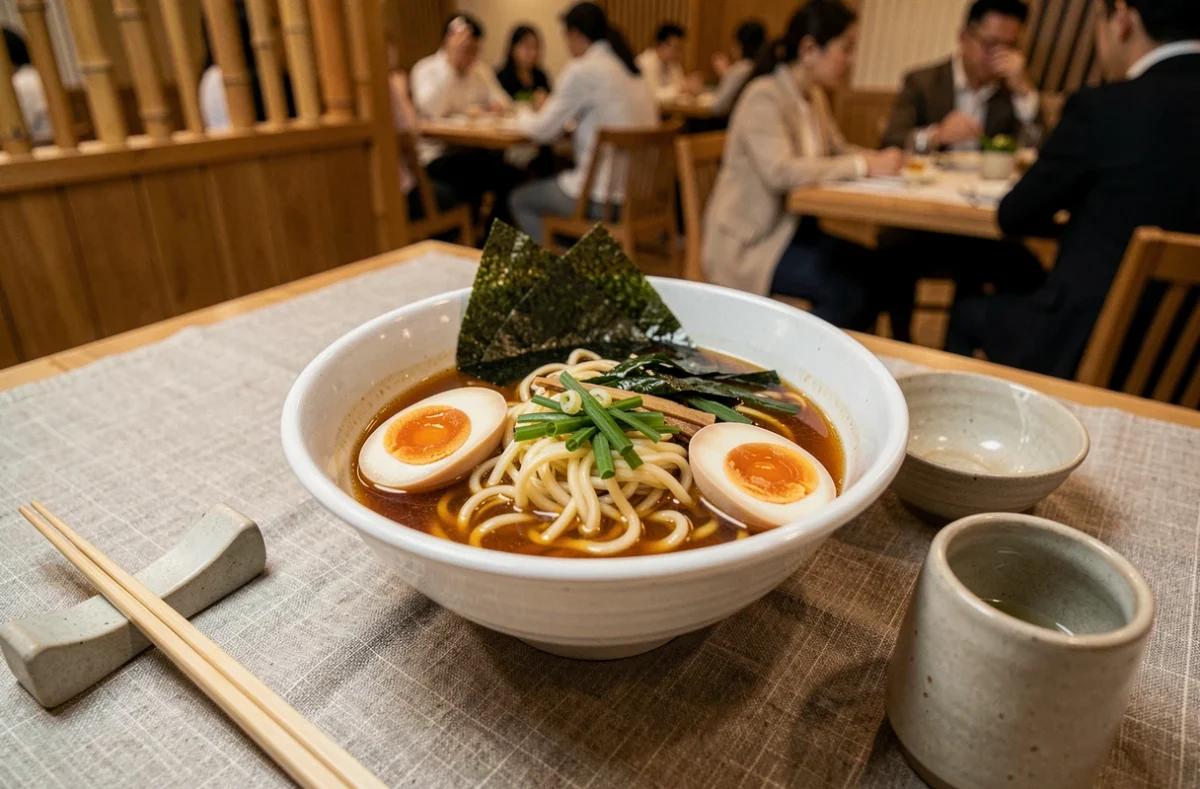
Heatwaves and restaurant menus: a lasting shift in habits
Summer may seem a long way off, but its effects are still being felt on autumn menus. Heatwaves in recent years have permanently changed what customers expect: more raw dishes, cold drinks and fresh produce, even in October.
Restaurateurs who have weathered several heatwaves describe a tangible shift. Hot dishes sell less well once the temperature passes a certain threshold, and customers don’t automatically return to cassoulet when the mercury drops. The preference for “light and fresh” food is here to stay.
For chefs, that means rethinking seasonality. An autumn menu made up entirely of heavy, slow-cooked dishes risks losing some customers. The emerging solution: shorter menus that balance comforting hot dishes with crisp, cold options, whatever the season.
Halloween and squash: pumpkin finds its place in the kitchen again
Halloween falls this week, and beyond the decorations, the holiday is giving squash and pumpkins a commercial boost. It’s a chance to bring varieties that are sometimes overlooked the rest of the year back into the spotlight.
This goes beyond buying pumpkins for decoration. Pumpkin pie, squash soups and gratins are widely shared, while bakers and pastry chefs are adding pumpkin to their limited-time ranges. It’s a clear example of a commercial holiday helping promote a local seasonal product.
- Butternut, red kuri squash and spaghetti squash: the varieties most often used in cooking aren’t the ones carved for decoration
The week that just ended confirms a broader trend: people in France are eating differently—not because they’re being told to, but because the climate, work schedules and cultural influences are reshaping what’s on their plates. Halloween squash will end up in soup, Korean cuisine will continue to take hold, and snacking will keep gaining ground over sit-down dining.