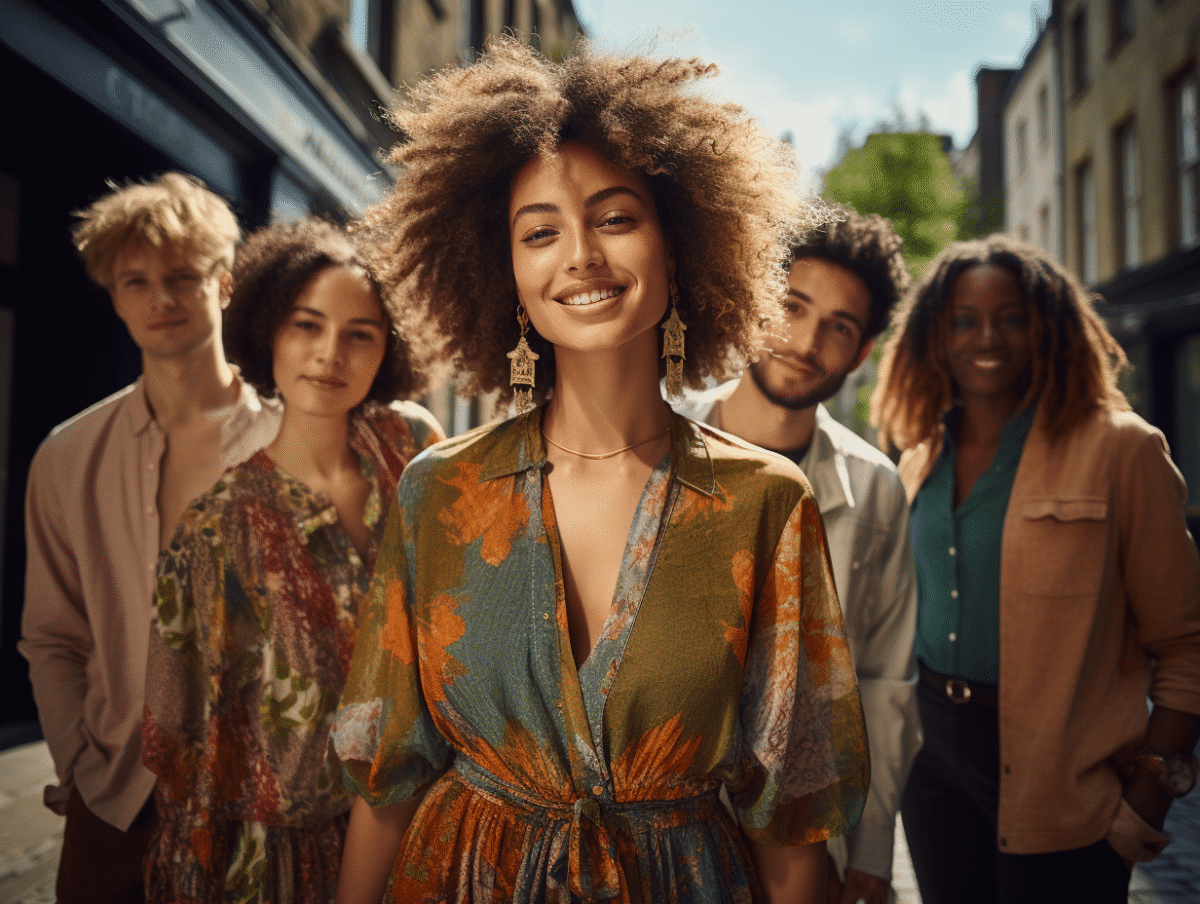
Inclusive fashion is positioned as an ethical and creative response to calls for greater diversity and accessibility in the fashion industry. This trend focuses on designing clothing and accessories suitable for all body types and mobility levels, thereby breaking down traditional barriers in fashion. It embraces diversity in gender, size, age, and ability, emphasizing the importance of representing all facets of society. Innovations in fabrics and manufacturing technologies now allow for addressing the specific needs of individuals, promoting inclusion and self-acceptance.
The Revolution of Inclusive Fashion: Challenges and Perspectives
In the wake of global awareness, inclusive fashion asserts itself as a vector for change. Diversity and accessibility become central issues as fashion stakeholders revisit their practices to reflect these values. ASA-Handicap mental, aware of this challenge, has taken the initiative by launching the Swiss Inclusive Fashion Manifesto, a call to action to integrate accessibility at the heart of the industry. This manifesto represents a milestone in the history of fashion, suggesting that aesthetics and comfort are no longer privileges but universal rights.
Corporate social responsibility is also highlighted by initiatives such as that of the CFDA, which, in collaboration with PVH Corp., is committed to promoting diversity and inclusion within the industry. This collaboration illustrates the willingness of large entities to align with the values of a fairer fashion and represents an opportunity to turn commitments into concrete actions. Thus, diversity and inclusion become strategic levers, not only for the well-being of individuals but also for the performance and innovation of companies.
The fashion sector is gradually awakening to gender equality and the necessity of implementing policies that ensure inclusion. Platforms like Bargemon.fr play a crucial role in disseminating information and raising public awareness about the issues of inclusive fashion. By emphasizing these issues, they foster collective awareness and inspire professionals to design a fashion industry that is truly accessible to all.
Strategies and Practices for Truly Accessible Fashion for All
In the complex arena of fashion, companies are adopting policies for an inclusive workplace. Their goal is to create a professional environment that reflects the diversity of society. This approach, far from being merely a matter of reputation, constitutes a corporate strategy for equal opportunities. It aims to establish a dynamic where every individual, regardless of their personal characteristics, has the opportunity to thrive and fully contribute to economic activity.
The concept of inclusive design is also gaining ground, as demonstrated by the example of Microsoft. This leading company in its sector uses this approach to develop products and services accessible to a wider audience. In fashion, this translates into clothing designed to be functional and aesthetically pleasing for everyone, including those with specific mobility or sensory perception needs.
Commitment to inclusion in the workplace is also manifested through employee training programs. These trainings aim to raise staff awareness of the different realities of disability, deconstruct prejudices, and promote behaviors that foster integration. This ongoing learning is essential to maintain an inclusive work environment and to ensure that diversity becomes a recognized and valued asset within the industry.
Diversity in business is not limited to internal policy but extends throughout the entire value chain, encompassing suppliers, distributors, and customers. Inclusive fashion does not stop at the doors of manufacturing workshops; it embraces the entire supply chain, from design to point of sale, ensuring that fashion is truly accessible to all.