In the wine world, the amount of wine served in a glass is never left to chance. It is of paramount importance, both for tasting and for health. So, what is the ideal capacity of a wine glass? Traditionally, the answer varies depending on different factors, such as the type of wine, the country, and the tasting context. A standard measurement has become popularized internationally. So, how many centiliters does a wine glass hold? Let’s explore this fascinating question that combines culture, tradition, and science.
The History of the Wine Glass: A Millennia-Old Tradition
The section ‘Different Volumes of a Wine Glass cl’ will help you understand the variations that exist in this measurement. It is crucial to note that the size of different types of wine glasses can vary significantly. For example, the typical volume of a standard glass for Bordeaux is generally around 19 cl, while a traditional Burgundy requires a larger vessel, often a ‘wine glass cl’ that can hold up to 23 cl.
Champagne flutes tend to be smaller, with an average capacity of about 15 cl. This allows the delicate effervescence of champagne to develop well and greatly contributes to the distinctive aromas released when consumed.
It should also be noted that these figures can fluctuate depending on the country or even the specific manufacturer of the glass. These differentiations may seem minimal, but they can have a significant impact on the total amount poured and thus consumed in each ‘wine glass cl’.
Furthermore, the tilt during pouring or the height at which the liquid is poured can significantly influence the final centiliters served in your ‘wine glass cl’. Many establishments use precise techniques to ensure a consistent customer experience regarding the portions served.
Being aware of the exact measurements in centiliters also provides essential knowledge to promote responsible and moderate wine tasting. Excessive abuse can lead to various alcohol-related problems such as acute alcohol intoxication, as well as a multitude of other serious medical complications such as liver and cardiovascular disorders.
Several factors come into play when we try to assess how many centiliters are actually in a ‘wine glass cl’. Knowing these details will help you not only fully appreciate the complex bouquet offered by each sip but also frame your consumption according to your personal needs while respecting local recommendations.
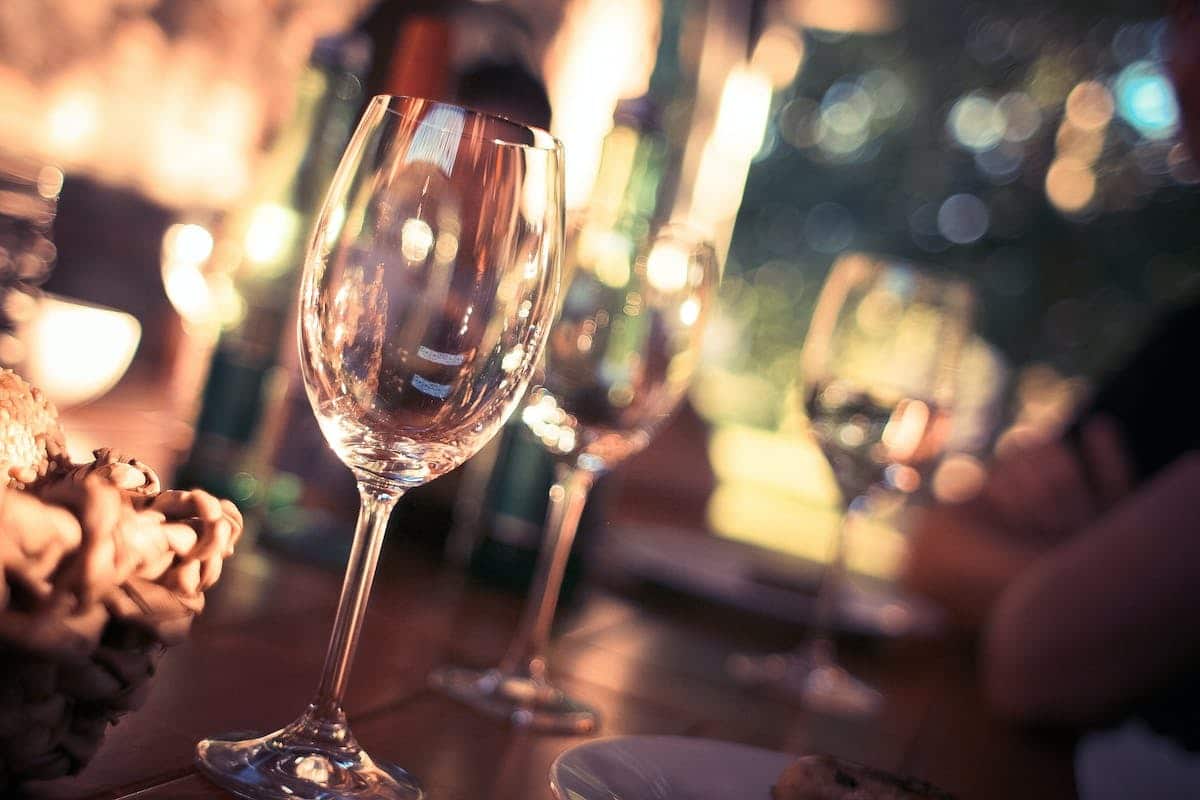
Wine Glasses for All Tastes and Occasions
In our quest to answer the question ‘How many centiliters are in a wine glass?’, it is crucial to emphasize the importance of a precise measurement in centiliters. This precision is of utmost importance, both from the perspective of knowledgeable enthusiasts and wine professionals.
The precise measurement in centiliters allows for an accurate understanding of the exact quantity of wine served in each glass. This is particularly relevant when one wishes to taste different wines during the same evening or when following a strict diet that imposes moderate consumption.
Indeed, determining the exact number of centiliters in a glass helps us adhere to health recommendations and fully appreciate the taste and aromatic characteristics specific to each vintage. Overconsumption can alter our sensory perception and skew our judgment regarding the intrinsic qualities of the divine nectar that is wine.
This precise knowledge of measurements in centiliters also promotes more rigorous stock management for wineries and distributors. Knowing how much is actually in a glass allows them to assess their packaging needs, resulting in better logistical and economic planning.
Some countries have adopted specific regulations regarding the quantities served in licensed establishments to promote responsible consumption. Knowing the served volume accurately facilitates compliance with these norms and prevents abuse.
For knowledgeable enthusiasts and wine professionals, measuring precisely in centiliters is also a guarantee of scientific rigor. Comparative tastings can be conducted with precision and objectivity, allowing for an in-depth analysis of the different sensory characteristics specific to each grape variety.
The importance of precise measurement in centiliters in a wine glass cannot be underestimated. Whether for personal appreciation or regulatory necessity, this knowledge allows us not only to fully savor our favorite beverages but also to make it a responsible and reasoned experience. So let’s not hesitate to familiarize ourselves with the exact quantities served in each glass to elevate our oenological experience to the pinnacle of refinement.
Why Measuring Wine in Centiliters is Essential
Now that we understand the importance of accurately measuring the amount of centiliters in a wine glass, let’s explore the factors that can influence this measurement. Several elements come into play to determine a glass’s capacity to hold wine.
The shape and size of the glass play a crucial role. Stemmed glasses are generally preferred for serving wine due to their aesthetics and functionality. There is a wide variety of models, and each type can have different dimensions. Some glasses have thicker walls or bulkier bases, which can affect the total volume they can hold.
The design specifications of the glass can also impact the actual amount of centiliters it contains. For example, some glassware offers models with a narrow tulip shape that allows for better concentration of aromas, while others favor a wide opening to aerate the wine more.
Another important factor is the level to which the wine is poured into the glass. Overfilling can lead to spills when trying to add a few more drops. Conversely, insufficient filling may not fully satisfy our gustatory and olfactory desires.
It is worth noting that some professionals recommend different filling levels depending on the specific types of wines (red, white, rosé, sparkling). For example, for red wines, it is often recommended to fill the glass to about one-third to allow for better oxygenation and release of aromas.
The way the wine is poured can also influence the final quantity. A slow and precise pour can ensure that each centiliter is measured accurately, while a quick and abrupt motion could disrupt this measurement.
It should also be mentioned that other factors such as the temperature of the wine and its alcohol content can indirectly influence the perception of volume. Indeed, a higher alcohol wine can produce a more intense sensation in the mouth even with a smaller quantity in the glass.
Several variables come into play to determine how many centiliters are actually in a wine glass. The shape and size of the glass, as well as its specific capacity, are essential for obtaining an accurate measurement. The level to which the glass is filled and the method used for pouring also play a major role.
The Variables That Determine the Amount of Centiliters in a Glass
When it comes to consuming wine, one must pay attention to empty calories. Indeed, every gram of alcohol contains nearly 7 calories with no significant nutritional value. Regular and excessive alcohol consumption can therefore contribute to unwanted weight gain and increase the risk of obesity.
Alcohol impacts our psychological well-being. While it may initially provide a feeling of relaxation and euphoria, excessive consumption can quickly lead to issues such as depression or anxiety. This can also alter our social and professional relationships.
It is important to highlight the harmful effects of excessive alcohol consumption. It is necessary to exercise responsibility when enjoying a glass of wine to preserve our physical and mental health in the long term.
The Dangers of Excessive Wine Consumption
For a responsible wine consumption, it is essential to adhere to certain recommendations. It is crucial to know your limits and not exceed the threshold recommended by health authorities. Generally, moderate consumption is considered to be a maximum of two glasses per day for men and one glass for women.
It is important to pair your tasting with appropriate foods. Drinking wine during a meal not only allows you to fully appreciate its flavors but also mitigates its effect on blood sugar by slowing its absorption into the body. It is therefore preferable to avoid isolated and excessive consumption without adequate food.
Opting for wines from organic or sustainable production can be an interesting option for those looking to adopt a more ecological approach to their consumption. Organic wines are made without harmful chemicals such as pesticides or herbicides, thus preserving our health and that of the environment.
It is also wise to pay attention to the alcohol content indicated on the label when choosing wine. Choosing wines with lower alcohol content can help limit the risks associated with excessive consumption while still enjoying the unique character of the beverage.
If you feel the need or have difficulty maintaining responsible consumption, do not hesitate to seek help. Health professionals and addiction specialists are there to support you in your journey.
Savoring a glass of wine is an experience that can be enjoyed responsibly. By following these recommendations, you can fully enjoy the pleasures of wine while preserving your physical and mental well-being.
Tips for Responsible Wine Consumption
When discussing the amount of wine contained in a glass, you must consider different factors. Indeed, regulations vary by country and even within wine regions. The type of wine can also influence the size of the glass used.
In some European countries like France, Italy, or Spain, it is generally considered that a standard glass contains about 12 centiliters (or 120 milliliters) of wine. This measurement can change depending on the context and local traditions. For example, during a professional tasting or in certain renowned gastronomic establishments, it is not uncommon for servers to offer tastings with reduced portions of up to 6 centiliters.
In the United States and Canada, a different measurement is often used: the fluid ounce (oz). A standard glass then corresponds to about 5 oz (approximately 15 centiliters). This difference is explained by the cultural habits specific to each country.
You should emphasize that the choice of glass can impact the sensory perception of the wine. Experts generally recommend using a tulip or balloon glass to fully release the aromas, while a small narrow glass will allow for a concentration of flavors.
You must remain aware of the effects of alcohol on your body. A moderate and balanced consumption remains the key to enjoying fully without compromising your health.
The precise amount of wine contained in a glass can vary depending on traditions, the country, and even the type of wine. You must be responsible in our appreciation of wines to preserve our well-being while fully enjoying the exquisite flavors they offer.