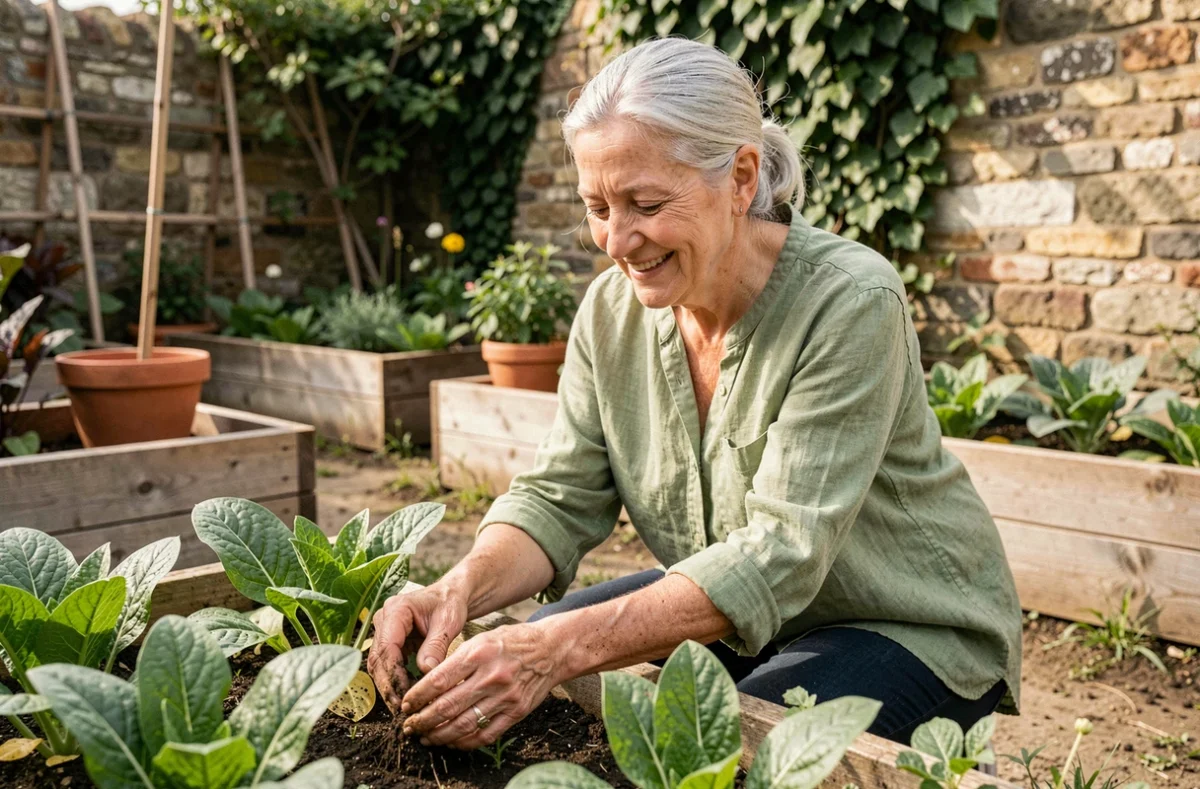
Nutritional needs after 60 are not the same as those of a 40-year-old adult. Protein intake needs to increase to offset age-related muscle loss, while overall calorie intake often falls due to reduced appetite. Preserving your vitality naturally starts with understanding these physiological changes before turning to any miracle cure.
Nutritional needs after 60: what really changes on your plate
Santé publique France has a dedicated resource on the nutritional needs and food preferences of older adults. The main finding: protein needs increase with age, while appetite tends to decline. This mismatch creates a risk of malnutrition that is often underestimated.
A common instinct is to reduce portion sizes as we get older. For protein, the opposite is exactly what you need to do. Lean meat, eggs, legumes, fermented dairy products: variety in protein sources matters just as much as quantity.
Nutrient density matters more than volume. A light meal rich in micronutrients (zinc, vitamin D, calcium, vitamin B12) meets your needs better than a large plate of starchy foods alone. Food preferences also change: texture, ease of chewing and enjoyment all directly affect whether people stick to healthy habits. We recommend adapting food textures rather than eliminating entire food groups.
Several practical resources are available on the Naturel Web online website, including advice on adjusting your daily diet without resorting to unnecessary supplements.

Resuming physical activity after 60: a safety plan
Resuming physical activity without a prior health check can lead to preventable injuries. Santé publique France offers structured advice on getting active again safely, with an emphasis on taking things gradually and listening to your body.
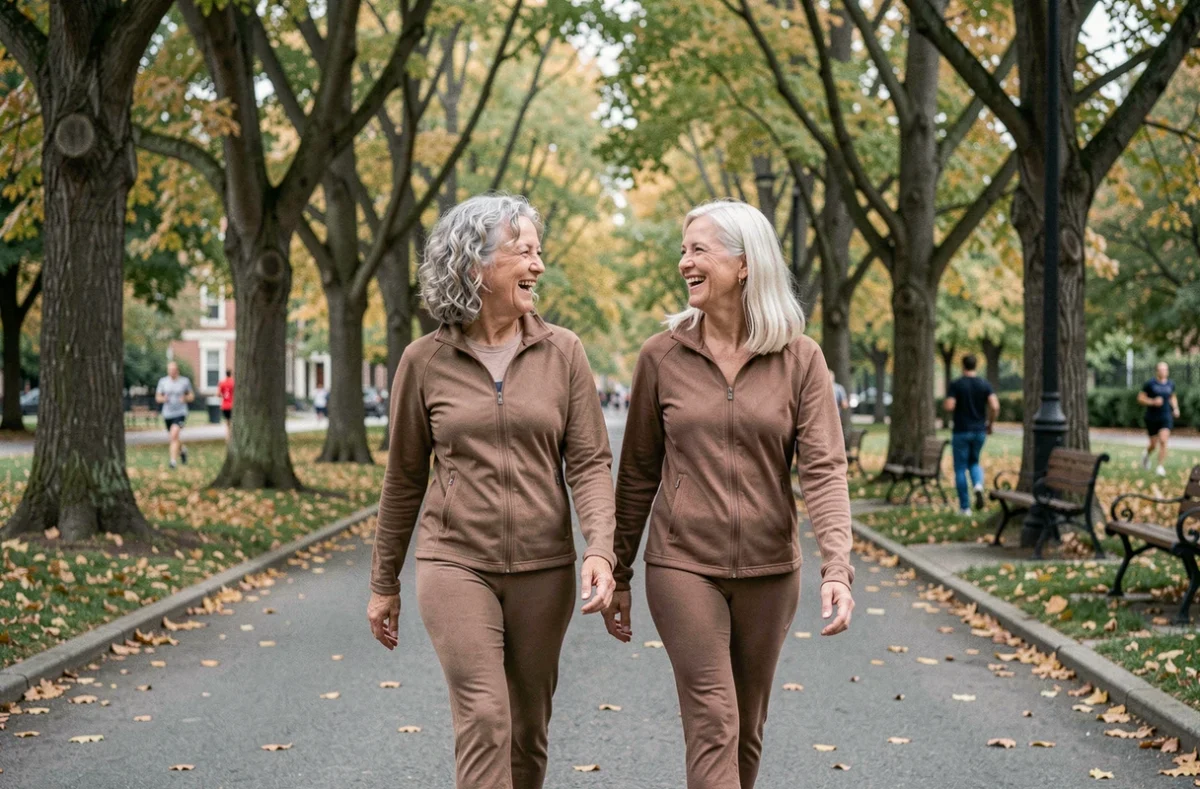
Brisk walking is a good foundation. Not a leisurely stroll: walk fast enough to get slightly out of breath, but still be able to hold a conversation. The recommendations focus on daily activity rather than long, infrequent sessions.
Guidelines for getting active again gradually
- Start with short sessions (15 minutes) and add a few minutes each week, without putting too much strain on your joints
- Choose low-impact activities such as swimming, stationary cycling, gentle exercise or tai chi
- Include balance exercises at least twice a week to reduce the risk of falls
- Consult a doctor before resuming activity if you have been inactive for more than six months or have a chronic condition
Physical activity helps maintain muscle mass and bone density, regulate sleep and support cardiovascular health. But its most underestimated benefit is its direct impact on mood and mental clarity.
Living environment and preventing accidents at home
Vitality is shaped by more than just what you eat or do at the gym. Your home is a major factor in healthy aging. Santé publique France notes that adapting the living environment can help prevent accidents and address the risk of social isolation—two factors directly linked to functional decline.
Falls at home are a serious concern. Simple changes can make a big difference: grab bars in the bathroom, better lighting in hallways and staircases, removing unsecured rugs, and keeping electrical cords off the floor.
Social isolation and loss of vitality
Santé publique France examines regional differences in healthy aging. Areas with accessible home care services and organizations that encourage intergenerational relationships report better well-being indicators among older adults.
Isolation is more than a minor discomfort. It accelerates cognitive decline, reduces motivation to eat well and decreases spontaneous physical activity. Maintaining regular social connections—through community activities, volunteering or family visits—is a form of prevention in its own right.
Sleep and natural recovery after 60
Sleep patterns change with age. Deep sleep becomes shorter, nighttime awakenings become more frequent, and falling asleep becomes more sensitive to external stimuli. Accepting these changes can help you avoid the trap of sleeping pills, whose side effects in older adults (daytime drowsiness, risk of falls, memory problems) often outweigh their benefits.
A regular bedtime routine improves sleep quality more effectively than medication. Keeping a consistent schedule, making sure the room is cool and well ventilated, and turning off screens an hour before bed are basic sleep hygiene measures—but following them consistently can produce measurable results within a few weeks.
- Avoid caffeine from early afternoon onward, including green tea, which is often considered harmless
- Exercise in the morning or early afternoon, never in the evening
- Reserve your bed for sleep: reading, watching TV or working in bed can disrupt your body’s sleep cues
A short nap (under 20 minutes) in the early afternoon does not disrupt your nighttime sleep cycle. Longer naps can fragment your sleep at night and perpetuate a vicious cycle of daytime fatigue.
Preserving your vitality after 60 depends on several interconnected factors: balanced nutrition, gradual physical activity, a safe living environment and good sleep habits. None of these works in isolation. It is their consistent combination, without excess or rigidity, that builds resilience in both body and mind as we age.