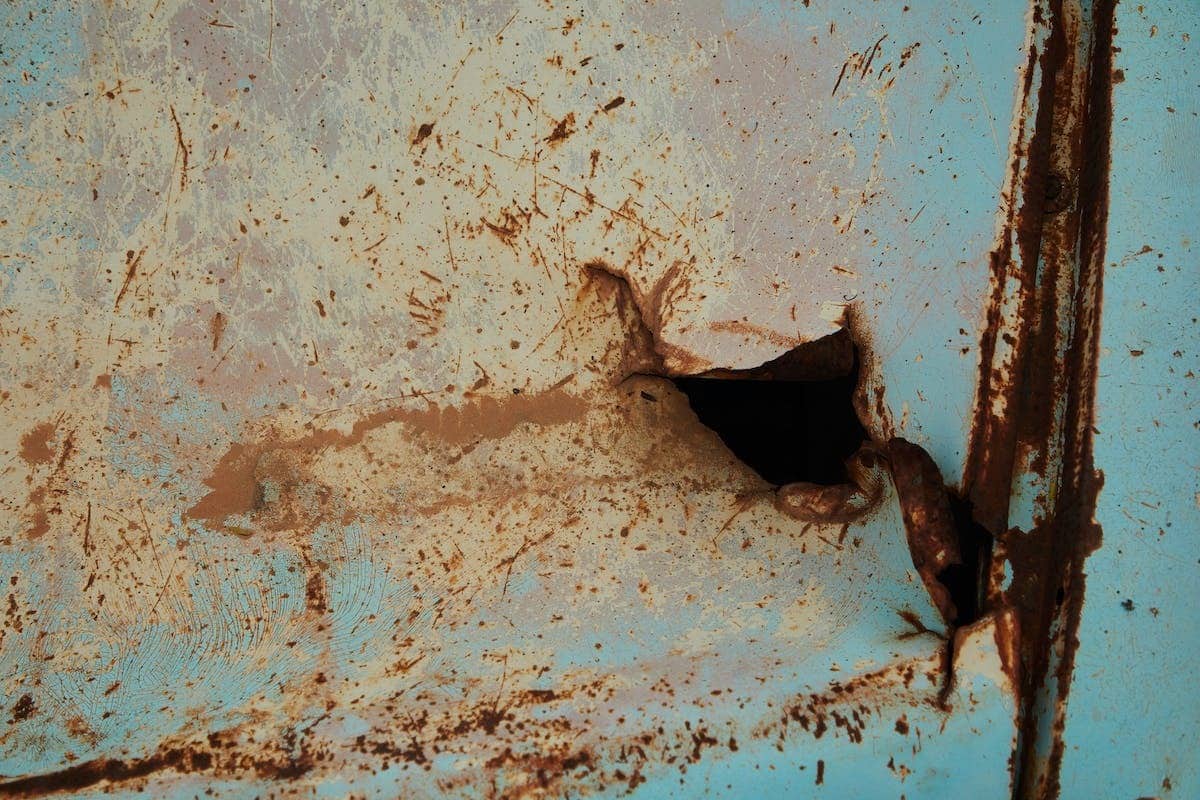
Rusty steel, both an emblem of decay and a challenge for renovators, is a material that many of us must contend with. Painting directly over rust without prior preparation can lead to an uneven finish and rapid deterioration. So, how do you tackle this stubborn problem? This is where the art of degreasing metal comes into play. From traditional methods to the use of modern technologies, there are various ways to accomplish this task. Here’s a detailed dive into different processes and tips for effectively degreasing metal before painting, ensuring a smooth and durable finish.
Preparing the Surface: A Crucial Step for Durable Painting
The preparation of the metal surface is a crucial step before applying paint. It is imperative that the metal is properly cleaned to ensure good adhesion, and this is where the actual process of degreasing the metal before painting comes into play.
To start, remove any traces of dirt or various residues present on the metal by brushing or scraping them thoroughly with a specially designed brush. Next, perform a more thorough cleaning by generously rubbing the item with a damp cloth soaked in an appropriate solvent.
Once this initial phase is complete, you can now move on to the main process of degreasing the metal before painting. This can be done using two commonly used methods: immersion in a degreasing liquid or manually using a brush soaked in a specialized product.
If you choose the method of fully immersing the metal in a chemical degreasing bath, ensure that it will not damage your material. This technique primarily helps to effectively eliminate stubborn and unwanted grease.
On the other hand, if you prefer manual scrubbing to degrease your metal piece before painting, be careful to use a brush that does not scratch your surface to avoid altering the final result. Soak it directly with your degreasing product and apply it to the surface in gentle but firmly pressed circular motions.
In both cases, it is essential to follow a few crucial rules: work in a well-ventilated environment to avoid potential inhalation of harmful vapors from the degreasing product; wear appropriate gloves to protect against direct contact with the chemical product, which can be irritating or even caustic; do not hesitate to use a stiff brush or even an old used toothbrush to reach hard-to-access corners.
Regarding the selection of the degreasing product itself, prefer those specifically formulated to degrease metal before painting. By following these essential steps and tips, you will maximize your chances of success in this crucial operation. If you ever feel the need for additional assistance during its execution, do not hesitate to consult a qualified professional to ensure an optimal result.
Degreasing: Effective Methods for Impeccable Results
To effectively degrease metal before painting, various methods can be employed. Beyond immersion in a degreasing liquid or using a brush soaked in a specialized product, there are also other techniques that deserve our attention.
Let’s talk about sandblasting. Sandblasting involves projecting abrasive particles onto the metal surface to remove greasy residues and embedded impurities. This method is ideal for eliminating persistent stains and achieving a perfectly clean and rough surface, thus promoting better paint adhesion.
Another commonly used technique is ultrasonic cleaning. This method uses high-frequency sound waves to generate vibrations in a degreasing bath. The vibrations act deeply to detach grease and other contaminants present on the metal without damaging its structure. It is a very effective option when you want to clean complex parts with difficult geometric shapes.
We also have the electrolytic process known as cathodic electrodeposition (CED). This method requires the use of a chemical solution containing a specific detergent combined with a low-voltage power source. The metal to be treated becomes the negative electrode (cathode), while the positive anode provides an electric charge to the ions present in the chemical solution to facilitate their deposition on the surface of the metal to be treated. This process removes grease and contaminants and also helps protect the metal against corrosion.
It’s important to mention the use of biodegradable degreasing products. These products are environmentally friendly while being effective at removing grease and other residues from metal. They are often formulated from natural ingredients such as enzymes or plant-based solvents, offering a more eco-friendly alternative to traditional chemical products.
It’s crucial to emphasize that regardless of the method chosen, be sure to carefully follow the manufacturer’s instructions for the degreasing product to achieve the best results. It is also recommended to use appropriate personal protective equipment to avoid direct contact with potentially hazardous substances.
Effectively degreasing metal before painting requires meticulous preparation. Methods such as sandblasting, ultrasonic cleaning, cathodic electrodeposition, and the use of biodegradable degreasing products offer different approaches suitable for various types of surfaces and levels of contamination. By following these professional tips, you will achieve a clean surface that ensures optimal adhesion when it’s time to apply your chosen paint.
Tips for Effective Degreasing: Secrets of Professionals Revealed
When preparing to degrease metal before painting, certain tips can be very helpful in achieving optimal results. Pay particular attention to the choice of degreasing product. Opt for a detergent specifically designed for metals and ensure it is suitable for the intended use.
Another tip is to properly prepare the surface before applying the degreaser. Be sure to remove all non-metallic elements such as stickers or glue residues that may interfere with the degreasing process. Use a plastic scraper or a soft brush to remove these elements without damaging the metal surface.
Generously apply the degreasing product to the entire surface to be treated, ensuring that all affected areas are evenly covered. Allow it to act according to the manufacturer’s instructions, but avoid letting the product dry completely on the metal as this can lead to issues during subsequent rinsing.
To effectively rinse the metal after using the degreasing product, use a high-pressure water jet or a specific cleaning solution recommended by the manufacturer of the product used. Ensure that all residues of grease and detergent are thoroughly removed to avoid any future contamination when applying your paint.
An often overlooked but essential step is drying. After rinsing the metal, be sure to dry each piece thoroughly using a clean, absorbent cloth or by using a hot air blower if necessary. Complete drying is crucial to prevent any reappearance of grease on the surface.
An additional tip is to conduct a preliminary test before degreasing your entire metal piece. Apply the degreasing product to a small inconspicuous area to check its compatibility with your material and its effectiveness in removing specific grease present.
By following these professional tips for effective degreasing, you can be assured of achieving a perfectly prepared metal surface before applying your paint. Once the degreasing process is complete, remember that environmental conditions such as temperature and humidity can also influence the time required for the metal to dry completely.
So take these aspects into account during your work to avoid any potential issues that could compromise the quality of the final result. With a good preliminary cleaning, you will achieve optimal adhesion of your paint as well as increased durability for your projects involving metal.
Choosing Degreasing Products: Opt for Quality
When discussing degreasing metal before painting, the choice of products is crucial to ensure an optimal result. Indeed, there are a multitude of options on the market, and it can sometimes be difficult to navigate.
To start, be sure to prioritize degreasing products specifically designed for metals. These are generally more powerful and effective when it comes to eliminating grease and stubborn residues present on the metal surface.
Also, consider the intended use. For example, if you want to paint metal that will be exposed outdoors, choose a degreasing product that offers corrosion protection. Similarly, if you are working on heavily soiled or rusty parts, opt for a product with anti-rust and anti-oxidant properties.
Beyond the specific criteria related to the type of use and the initial condition of the metal, also choose a product that is environmentally friendly. There are now biodegradable solutions on the market that combine effectiveness and eco-responsibility.
Regarding the application method of the degreasing product, several options are available to you. You can use a manual or mechanical sprayer to evenly cover the entire affected surface. In particularly difficult cases where greasy deposits are very thick or have been ingrained for a long time, it may be necessary to use a brush or even a cloth soaked in the product to gently scrub and facilitate its action.
Be sure to carefully follow the instructions provided by the manufacturer. Adhere to the recommended application times as well as the rinsing and drying guidelines. This will ensure the maximum effectiveness of the degreasing product used and reduce any risk of residue that could harm subsequent painting.
The choice of degreasing products plays a crucial role in preparing the metal before painting. Opt for solutions specifically designed for metals, suitable for your use, and environmentally friendly. Follow the manufacturer’s instructions closely to achieve optimal results.
Precautions to Take: Avoid Mistakes During Degreasing
When tackling the degreasing of metal before painting, you must avoid potentially harmful vapors emanating from the degreasing products used.
Do not forget to wear appropriate personal protective equipment. Chemical-resistant rubber gloves are essential to protect your hands from irritation and other unwanted reactions. Wearing safety glasses will protect you from any risks associated with accidental splashes.
It is vital to handle degreasing products with care and diligence. Always ensure that containers are properly closed after use and keep them out of reach of children or pets to avoid any unfortunate incidents.
Another precaution to take concerns the proper disposal of greasy residues after degreasing. Absolutely avoid rinsing these substances directly down the sink or into the wastewater system as they can pollute waterways and harm aquatic life. Instead, opt for a responsible method by using a sealed container that will then be handed over to the appropriate services for specialized treatment.
Keep in mind that each project may be unique and therefore requires an adapted approach. If you are dealing with a very large or complex surface, it may be wise to divide the work into sections for better management of the degreasing process. This will also help you avoid unnecessary overconsumption of degreasing products.
By following these precautions during the degreasing of metal, you ensure an optimal and durable final result when subsequently applying paint. Do not hesitate to consult the specific recommendations provided by the manufacturers of the products used and seek advice from professionals if necessary.
Effective degreasing of metal before painting requires particular attention to precautions. Strictly adhere to ventilation guidelines, wear appropriate equipment, and handle the chemicals used with care. Also, ensure responsible disposal of greasy residues and adapt your approach based on the specifics of the project. By following these preventive measures, you will undoubtedly succeed in your efforts to achieve a metal surface ideally prepared to receive its new vibrant coat of paint.
Durable Painting: Essential Tips After Successful Degreasing
After performing a thorough degreasing of the metal, be sure to properly prepare the surface before applying paint. This will ensure optimal adhesion and increased durability.
Ensure that the surface is completely dry before starting the painting process. Residual moisture can compromise the adhesion of the paint and lead to issues such as peeling or premature cracking. Use a clean, dry cloth to remove any remaining traces of moisture.
Proceed with light sanding of the surface to create a slightly rough texture that will enhance paint adhesion. Use fine sandpaper or an appropriate electric sander for metal to carry out this step accurately.
Before applying the first coat of paint, consider using a primer specifically designed for metal surfaces. The primer will not only improve paint adhesion but also help to even out the surface by masking small imperfections present on the degreased metal.